Bedford, UK


Why Some Children Flourish Outside a Traditional Classroom
Why Some Children Flourish Outside a Traditional Classroom
For many years, school has been viewed as the only “normal” way for children to learn. Classrooms, timetables, uniforms and school bells have become so familiar that it’s easy to forget education doesn’t have to look the same for every child.
Over the years, I have worked with children from a wide range of educational backgrounds, including many who are home educated. One thing has become increasingly clear to me: whilst some children absolutely thrive in a busy classroom, others truly begin to flourish when learning takes place in a different environment.
That isn’t because they are less capable.
Often, it’s because they have finally found a way of learning that suits who they are.
Every Child Learns Differently
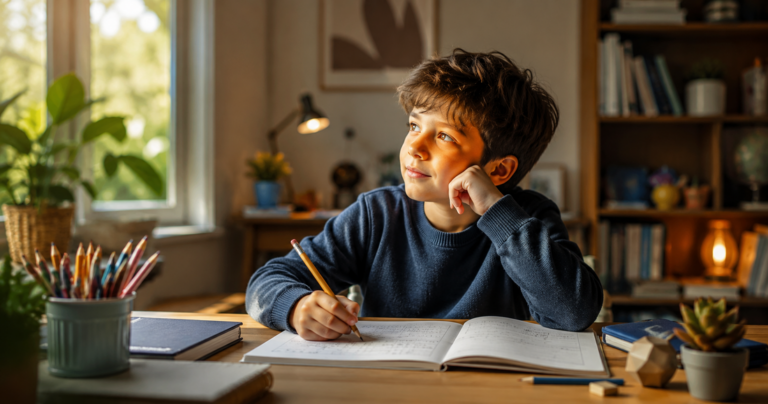
One of the biggest lessons I have learnt as both a tutor and someone with ADHD is that no two learners are the same. We often expect children to adapt to education, when perhaps education should spend a little more time adapting to children.
Some learners enjoy the structure and social interaction of school. Others become overwhelmed by the constant noise, transitions and demands of a busy classroom.
Children with ADHD, dyslexia, dyscalculia or autism may spend so much energy simply coping with the school environment that there is very little left for learning itself.
That doesn’t mean they can’t learn.
Sometimes it simply means they need a different environment to show what they are truly capable of.
Having been diagnosed with ADHD myself as an adult, I know first-hand how varied neurodivergent experiences can be. ADHD doesn’t look the same in everyone, and the same is true of every learning difference. We need to move away from expecting children to fit a single educational mould and instead recognise the incredible diversity in how young minds develop.
The Freedom to Learn at the Right Pace
One of the greatest advantages of home education is flexibility.
There is no pressure to keep up with thirty other children or rush through a topic before a lesson ends.
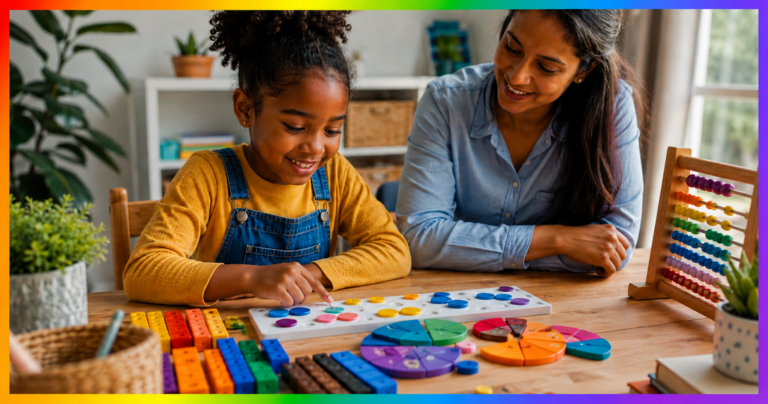
If a child finds fractions difficult, they can spend extra time building confidence before moving on. If they develop a sudden fascination with volcanoes, Ancient Egypt or space, those interests can become opportunities to strengthen reading, writing, mathematics and research skills.
Learning becomes something children actively participate in rather than something that simply happens to them.
I’ve seen children who once dreaded English begin writing imaginative stories because they were finally exploring topics they genuinely cared about. Equally, reluctant mathematicians often become enthusiastic problem-solvers when learning feels practical, engaging and relevant.
Confidence Often Comes Before Progress
Many children who move into home education have experienced setbacks in school.
Perhaps they’ve struggled with anxiety, bullying, unmet SEND needs or simply felt that they never quite fitted in.
Over time, repeated difficulties can begin to affect confidence far more than academic ability.
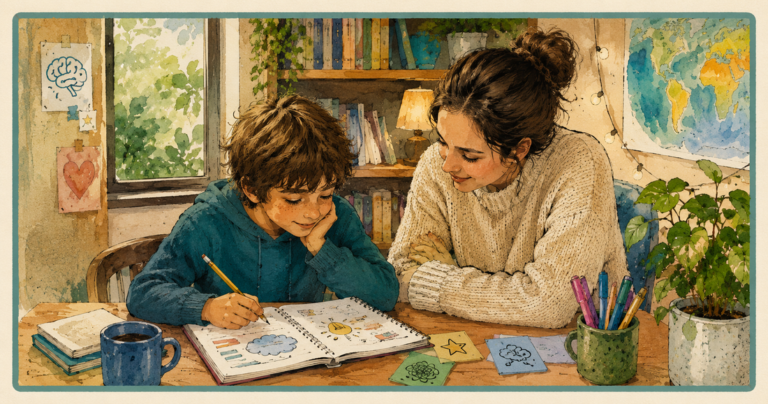
One of the first things I notice when working with home-educated learners is how quickly confidence can begin to return when pressure is reduced.
Without the fear of getting answers wrong in front of classmates, many children become more willing to ask questions, experiment and make mistakes.
Ironically, it is often when children stop worrying about learning that they begin learning most effectively.
Personalised Learning Makes a Difference
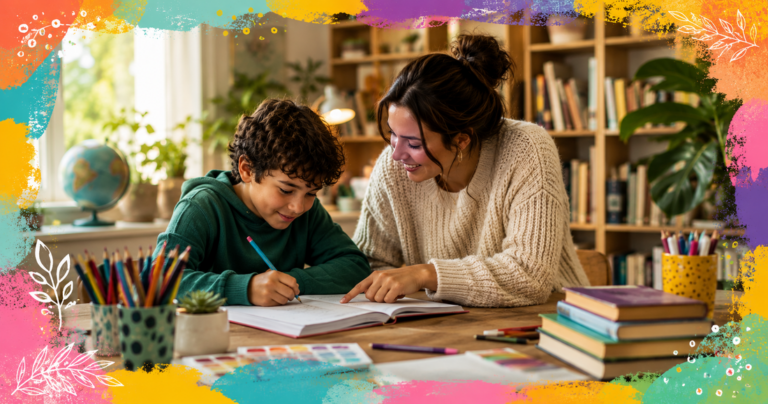
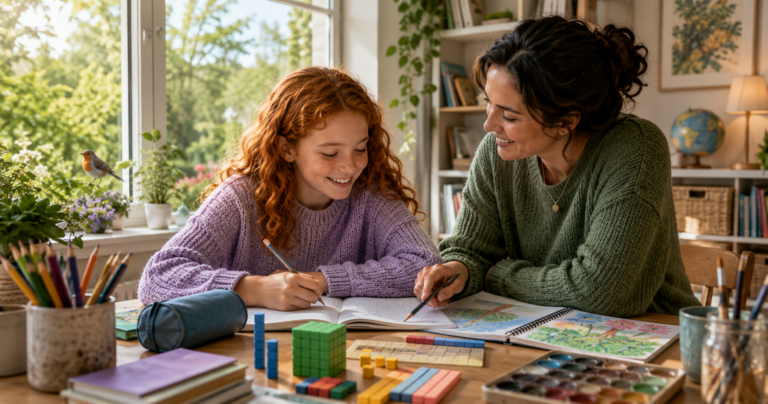
One-to-one tuition allows every lesson to be shaped around the individual child.
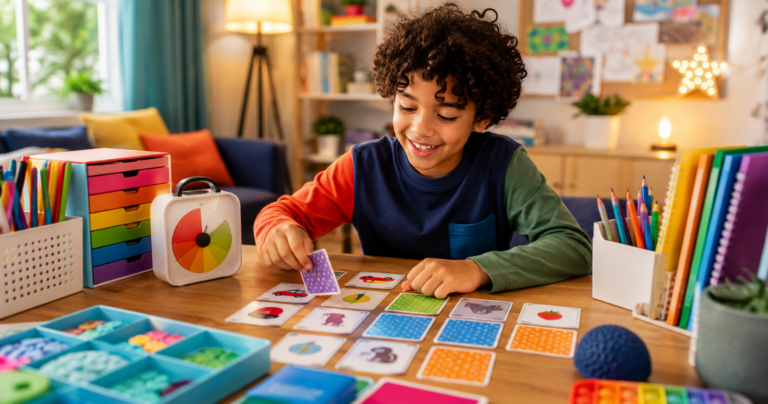
Some learners benefit from movement breaks every fifteen minutes. Others enjoy visual resources, games or discussion-based activities. Some prefer quiet routines, whilst others love creative projects that bring learning to life.
There isn’t one correct approach.
There is simply the approach that works best for that particular child.
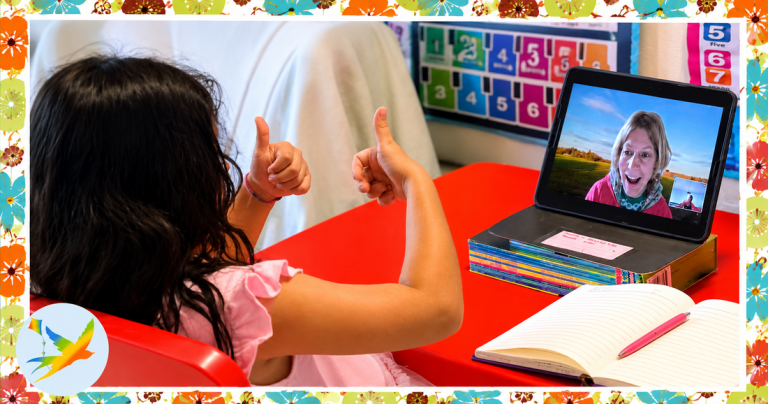
Over the years, I’ve supported home-educated learners across the UK and internationally, including families in the UAE, Saudi Arabia, Singapore, Malaysia and Thailand. Although every family’s reasons for choosing home education are different, they often share one common goal: providing an education that genuinely meets their child’s needs.
Flourishing Looks Different for Every Child
Success isn’t always measured by test scores alone.
Sometimes success is the child who finally enjoys reading.
Sometimes it’s the anxious learner who volunteers an answer without fear.
Sometimes it’s the child who believes, perhaps for the first time in years, that they really are clever.
As tutors, teachers and parents, it can be tempting to compare children with one another.
In reality, each learner follows their own path.
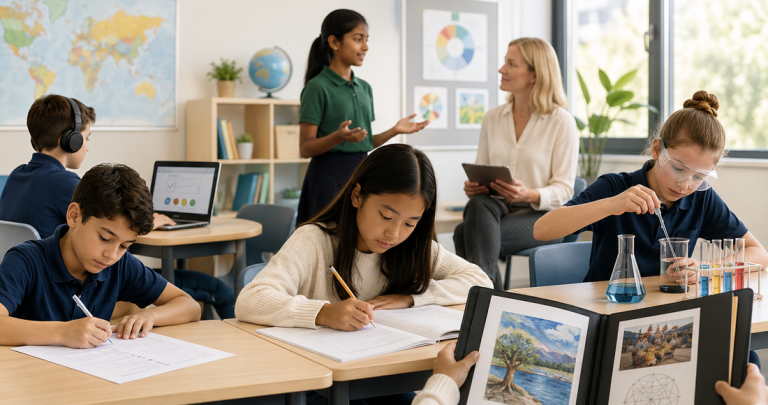
Some children thrive in large classrooms. Others blossom in smaller, calmer environments where learning can move at their pace.
Neither path is better.
They’re simply different.
Final Thoughts
Traditional classrooms work brilliantly for many children, and for those learners they provide wonderful opportunities to grow academically and socially.
However, it’s equally important to recognise that there is no single definition of educational success.
For some children, particularly those who are neurodivergent, anxious or home educated, a personalised approach can unlock confidence and abilities that may have remained hidden in a more traditional setting.
When we stop asking children to fit education into one narrow shape and instead shape learning around the child, remarkable things can happen.
After all, education isn’t about where a child learns.
It’s about helping them discover that they are capable of learning at all.
Here at Bedford Tutor, I have supported home-educated learners across the UK and around the world for many years. Whether a family has chosen home education from the outset or is looking for an alternative after school has become challenging, I provide personalised English and maths tuition that helps children with ADHD, dyslexia, dyscalculia, autism and other learning differences build confidence whilst developing the essential skills they need to thrive.
To find out more, please click on the relevant link below:
Bel 😊