Bedford, UK



What Makes an Online Tutor a Good Fit for a Child with ADHD?
Finding the right online tutor for a child with ADHD is about far more than finding someone who knows their English or maths curriculum.
Of course, subject knowledge matters. Experience matters too. But, in my experience, the most important question is whether the tutor understands how that particular child learns.
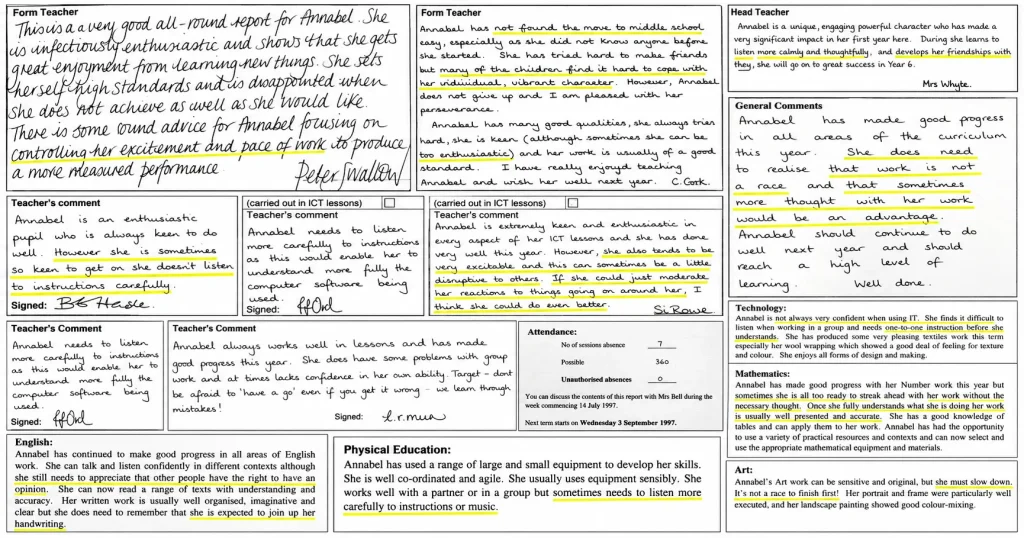
ADHD does not look the same in every person. I know this personally. I was not diagnosed with ADHD until I was 31. Because I loved learning and generally did well academically at school, nobody really questioned whether ADHD might be part of the picture. Looking back, however, I can see that I could become intensely absorbed when something captured my imagination, whilst repetitive or uninteresting tasks were much harder to sustain. I also struggled with working memory and multi-step instructions.
That experience has shaped the way I teach.
There is no such thing as a standard ADHD learner. My own experience has taught me that my ADHD is not somebody else’s ADHD, and their ADHD is not mine. What works beautifully for one child may be completely wrong for another.
So, what should parents look for when choosing an online tutor for a child with ADHD?
A tutor who makes learning interesting
For me, this is one of the biggest things.
Many ADHD learners have what we might describe as an interest-driven nervous system. When something is genuinely fascinating, attention can suddenly become incredibly powerful. When something feels repetitive, disconnected from real life or simply boring, maintaining that attention can be much harder.
This is something I recognise from my own life. As a child, I could put enormous effort into something that had grabbed me, but sustaining effort on something that did not interest me was another matter entirely.
That is why I don’t believe an ADHD-friendly lesson should simply be a worksheet followed by another worksheet.
I want lessons to have energy.
We might play a game, tackle a challenge, discuss an unusual topic, use a visual resource, solve a practical problem or suddenly take the lesson in a completely different direction because the child has become fascinated by something.
Variation and novelty can make a huge difference.
This does not mean that learning lacks structure. Quite the opposite. A good tutor can provide a strong framework whilst changing what happens inside it.
A tutor who starts with the child, not the worksheet
One of the great advantages of one-to-one online tuition is that there is no need to teach every child in exactly the same way.
I can look at the child sitting in front of me and think: What is going to make this work for them?
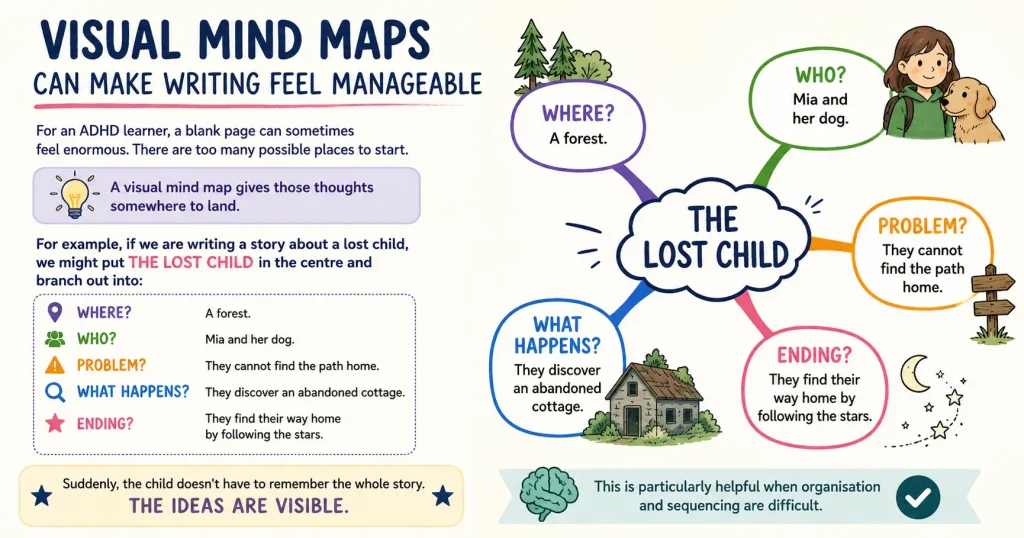
For one learner, that might mean movement and interactive activities. For another, it could mean visual resources. For someone else, it might mean breaking a difficult task into smaller pieces or using a practical example.
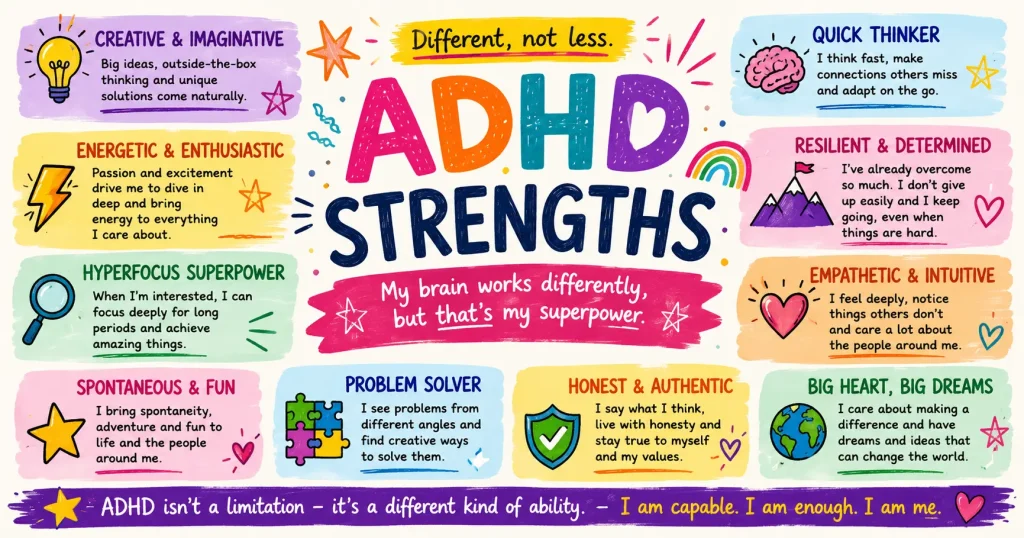
My current approach is very much strengths-based. Rather than viewing ADHD simply through the difficulties it can create, I want to understand a child’s interests, strengths, personality and ambitions too. This is consistent with the wider approach I use across my SEND tuition, where lessons are adapted to the individual learner rather than expecting the learner to fit a fixed model.
And sometimes those interests can completely transform a lesson.
When maths meets motorsport
One of my current online students is absolutely passionate about motorsports.
He doesn’t just enjoy watching motorsport. He has a genuine ambition to establish a business connected with the industry.
So why would I teach him maths using completely unrelated examples if I don’t have to?
Instead, we have explored mathematics through the things he actually cares about.
We’ve looked at costings connected with motorsport, discussed business ideas and used real-world situations to make mathematical concepts more meaningful. We’ve also designed logos and talked about what a potential business website might need.
Suddenly, maths is no longer just maths.
It is part of his future.
This is precisely why I believe interests are so powerful for ADHD learners. We are not removing the educational objective. We are changing the route we take to get there.
A lesson about percentages might become a discussion about profit margins. A problem-solving activity might involve working out costs. English could involve writing website content or thinking about how a business should communicate with customers.
The curriculum is still there. We have simply given it a reason to matter.
A tutor who understands the importance of clear steps
Interest alone is not enough.
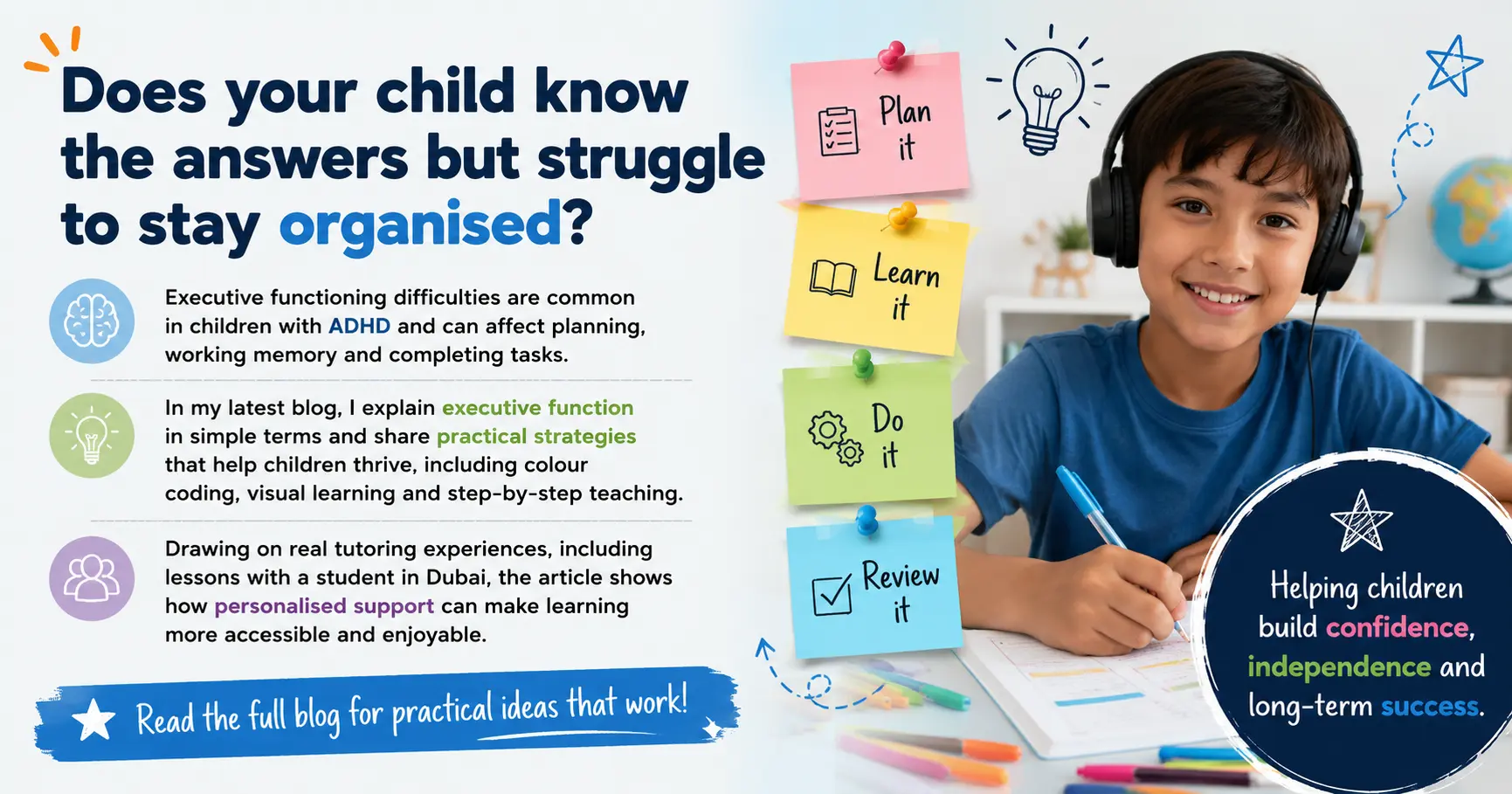
Children with ADHD can understand a concept perfectly well and still become overwhelmed when a task contains too many steps.
This is something I recognise from my own experiences. Multi-step instructions have historically been an area of difficulty for me, and it is one of the reasons I am very conscious about how I present information to children.
If a mathematical problem requires five stages, I don’t necessarily expect a child to hold all five stages in their working memory.
Instead, we might write them down.
Step 1: What information do we have?
Step 2: What do we need to find?
Step 3: Which operation do we need?
Step 4: Complete the calculation.
Step 5: Check the answer.
Colour-coding can be incredibly useful here too.
Perhaps the important numbers are highlighted in yellow, the operation is blue and the final answer is green. For a child who finds a page visually overwhelming, suddenly there is a pathway through it.
A large problem becomes a collection of smaller, manageable jobs.
This is very much in keeping with the ADHD-friendly strategies I use: visual structure, checklists, step-by-step instructions and breaking larger tasks into smaller chunks.
Client gallery powered by Picflow
A tutor who has plenty of resources – but knows when to use them
In a classroom, one of the wonderful things we have is a wealth of resources.
We don’t have to teach every child with the same book, the same worksheet or the same activity.
If I know that a child loves dinosaurs, I can find dinosaur-related material. If they love sport, we can use sport. If they are fascinated by space, animals, cars or cooking, those interests can become bridges into learning.
This is particularly valuable with ADHD because interest can be the doorway into attention.
I have seen this with a girl I work with who absolutely loves nature. Rather than trying to make every reading comprehension about an arbitrary subject, we have used wildlife and nature-based comprehensions to develop her reading.
And it works beautifully because she already wants to know the answer.
She is not simply reading because an adult has told her to read. She is reading because she wants to discover something about an animal or the natural world.
That distinction matters.
A tutor who is patient and kind
Perhaps this sounds obvious, but I think it is one of the most important qualities of all.
Children with ADHD can spend an enormous amount of time being told to concentrate, stop fidgeting, listen properly, remember things and try harder.
Eventually, repeated correction can begin to affect confidence.
I remember how important it was when teachers recognised the things I did well. The teachers I remember most warmly were not necessarily those who were the strictest. They were the ones who noticed my enthusiasm, creativity and determination.
A good tutor needs patience.
They need to be able to say, Let’s try that another way.
They need to be comfortable repeating an explanation without making a child feel silly.
They need to celebrate the small victories.
And, perhaps most importantly, they need to help a child understand that finding something difficult does not mean they are incapable.
The best online tutor sees the whole child
Ultimately, I don’t think there is one perfect formula for tutoring a child with ADHD.
Some children love structure. Others need more flexibility. Some want to talk constantly. Others need quiet. Some thrive on games and movement, whilst others become completely absorbed by a particular subject.
The tutor’s job is to notice.
My own ADHD has taught me that neurodivergence is wonderfully varied. It has also taught me that children should not have to squeeze themselves into a particular model of what a learner is supposed to look like.
For me, the best online tuition combines kindness, structure, creativity, variation and genuine interest in the child.
It is about making learning entertaining without losing the educational purpose.
It is about taking a difficult multi-step problem and turning it into manageable steps.
It is about using colour, visuals and practical examples when they help.
It is about finding the subject that makes a child’s eyes light up and then asking, How can we use this to teach?
And sometimes, that means turning maths into motorsport.
Sometimes it means turning reading into wildlife exploration.
Sometimes it means designing a business logo, discussing a webpage or working out how much something would cost.
When we start with the child, rather than simply starting with the curriculum, learning can become something very different.
It can become something they actually want to do.
A personalised approach to ADHD tuition
Here at Kite Tutoring, the online division of Bedford Tutor, I have supported learners across the UK and around the world for many years. My own experience of ADHD, combined with more than fourteen years of educational experience, has shaped a flexible, strengths-based approach to tuition. I work with children who have ADHD, dyslexia, dyscalculia, autism and other learning differences, adapting lessons around their individual needs, interests and goals.
Whether that means developing reading through a child’s love of wildlife, making maths relevant through a passion for motorsport, or simply finding a clearer way through a multi-step problem, I believe children learn best when they feel understood.
To find out more, please see below:
Bel 😊