Bedford, UK



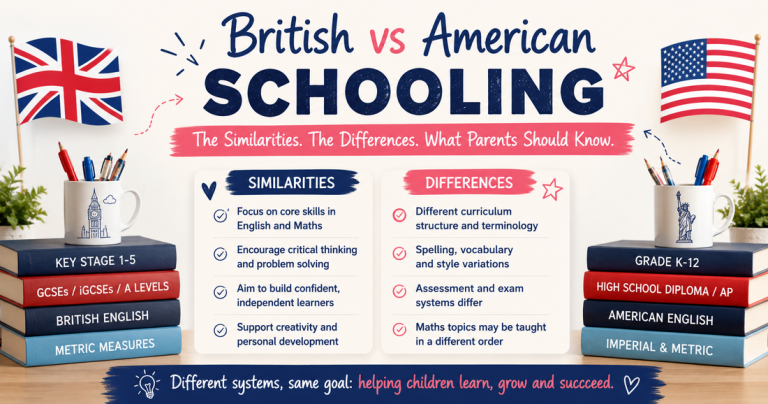
Moving to Dubai can be an exciting new chapter for families. The city is home to some of the world’s leading international schools, offering British, American, IB and other internationally recognised curricula. For many children, the transition brings new friendships, opportunities and experiences.
However, for students with ADHD, starting or attending an international school can present some additional challenges. New routines, unfamiliar expectations and the fast pace of school life can all place extra demands on executive functioning skills.
The good news is that children with ADHD can absolutely thrive in international schools when they receive the right understanding and support. As someone who was diagnosed with ADHD as an adult and who has spent many years supporting neurodivergent learners both in the UK and overseas, I’ve seen first-hand just how transformative the right environment can be.
ADHD Looks Different in Every Child
One of the biggest misconceptions surrounding ADHD is that every child experiences it in the same way.
Some children are highly energetic and impulsive, whilst others appear quiet, thoughtful and easily distracted. Some excel academically but struggle with organisation, whilst others find traditional classroom learning difficult from an early age.
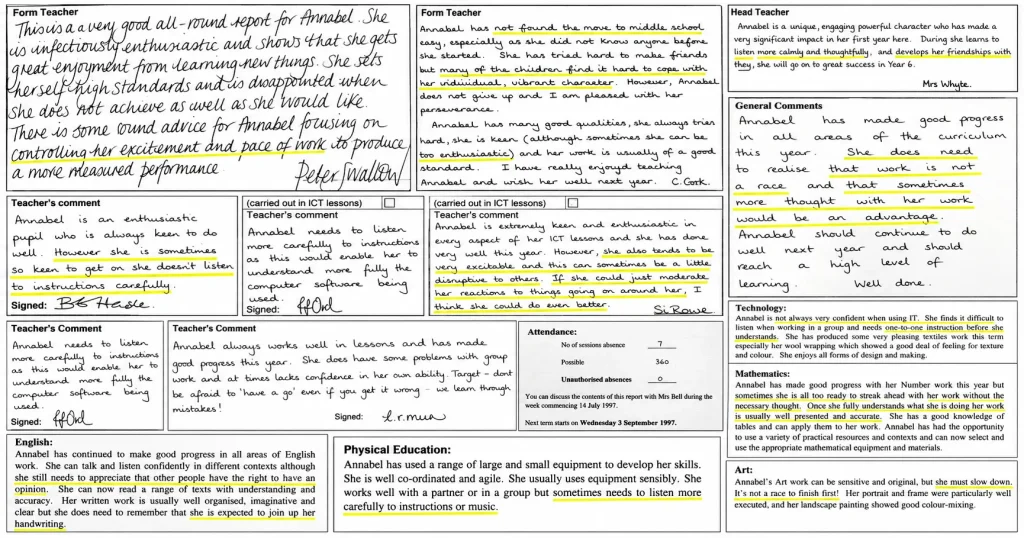
My own experience taught me this lesson. I loved learning, achieved well at school and was often described as organised, yet I also experienced distractibility, impulsivity and difficulties with attention that weren’t recognised until adulthood. ADHD is incredibly diverse, and understanding that diversity is often the first step towards effective support.
Rather than asking, “Does this child look like someone with ADHD?” it is far more helpful to ask, “How does this particular child’s brain work best?”
Why International Schools Can Be Both Wonderful and Challenging
Dubai’s international schools are incredibly diverse. Children often learn alongside classmates from dozens of different nationalities, creating rich cultural experiences that many ADHD learners genuinely enjoy.
At the same time, international education often involves:
- High academic expectations.
- Frequent assessments.
- Busy timetables.
- Large social environments.
- Transitions between different curricula.
Executive functioning skills such as organisation, working memory, planning and time management are essential for navigating these demands. These are precisely the areas where many ADHD learners need additional support.
When schools recognise these differences and adapt accordingly, children often flourish.
Creating Predictable Routines
Children with ADHD generally cope far better when they know what to expect.
Predictable classroom routines reduce uncertainty and free up mental energy for learning. Visual timetables, written instructions and clear expectations can make an enormous difference.
Many international schools in Dubai already make excellent use of technology. Homework platforms, digital calendars and online learning systems can all become valuable organisational tools when used consistently.
Consistency between school and home also helps children feel secure.
Supporting Executive Function Skills
Executive functioning is often described as the brain’s management system.
Students with ADHD may know exactly what they need to do but struggle to begin, remember instructions or organise materials efficiently.
Practical strategies include:
- Breaking larger tasks into manageable sections.
- Providing checklists.
- Using colour coding for subjects.
- Allowing extra planning time.
- Teaching organisation explicitly rather than assuming children naturally acquire these skills.
These strategies benefit many learners, not just those with ADHD.
Movement Helps Learning
One of the greatest myths surrounding education is that good learning always happens whilst sitting perfectly still.
Many ADHD learners actually concentrate better when movement is incorporated into their day.
Simple adjustments might include:
- Standing while completing part of a task.
- Short movement breaks.
- Stretching between activities.
- Using discreet fidget tools where appropriate.
- Interactive learning activities.
Looking back, many of my happiest learning experiences involved active participation rather than simply listening. For many children, movement supports attention rather than distracting from it.
Confidence Is Just as Important as Academic Support
Perhaps the greatest danger facing many ADHD learners isn’t the ADHD itself.
It’s losing confidence.
Children who regularly forget homework, misplace equipment or struggle to complete tasks may begin believing they’re lazy or incapable.
Nothing could be further from the truth.
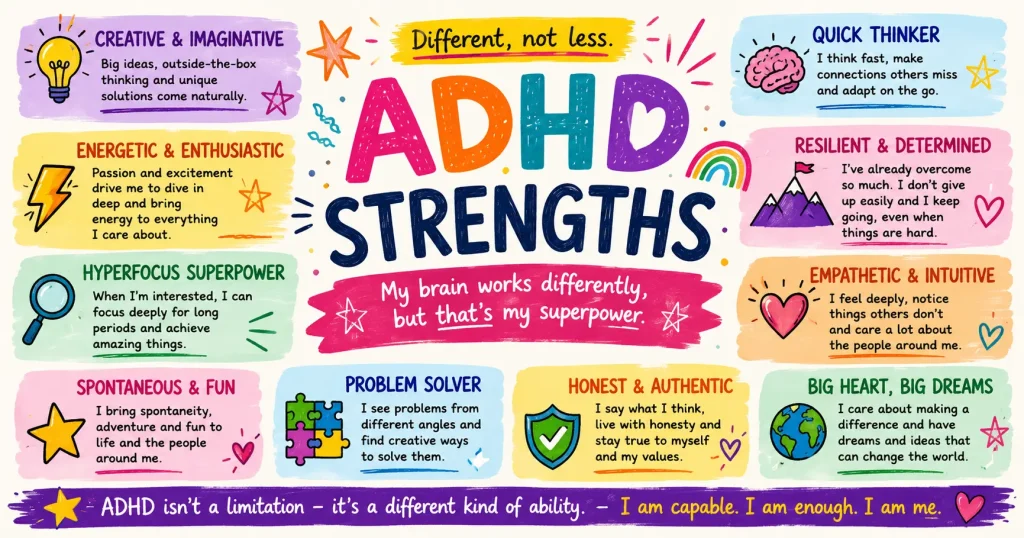
Many ADHD learners are incredibly creative, curious and imaginative. They often ask insightful questions, think laterally and approach problems from fresh perspectives.
The role of parents and teachers is to ensure these strengths are recognised alongside the challenges.
A child who believes in themselves is far more likely to persevere through difficult moments.
Working Together Makes the Difference
The strongest outcomes happen when parents, teachers and tutors communicate openly.
This is particularly valuable in international schools where families may also be adapting to life in a new country.
Regular conversations about:
- What is working well.
- Current challenges.
- Helpful classroom strategies.
- Emotional wellbeing.
- Academic progress.
allow everyone to support the child consistently.
When children receive the same messages of encouragement both at home and at school, their confidence often grows remarkably quickly.
Online Tuition Can Complement International School Learning
Many families in Dubai choose online tuition to reinforce learning without adding unnecessary pressure.
One-to-one lessons provide opportunities to revisit concepts, strengthen executive functioning skills and build confidence in a calm environment.
Because lessons are personalised, they can adapt to the individual learner rather than expecting the learner to adapt to a rigid teaching style.
This flexibility is particularly valuable for ADHD learners, who often benefit from engaging, interactive lessons that match their interests and learning preferences.
Final Thoughts
Children with ADHD don’t need to become different learners.
They need learning environments that recognise how their brains naturally work.
International schools in Dubai already offer exceptional educational opportunities. When these are combined with understanding, flexible teaching and strong communication between home and school, ADHD learners can achieve remarkable things.
Most importantly, children need to know that ADHD is not a limitation on their potential. Every learner’s strengths and challenges are unique, and with the right support they can develop the confidence, resilience and skills to flourish both academically and personally.
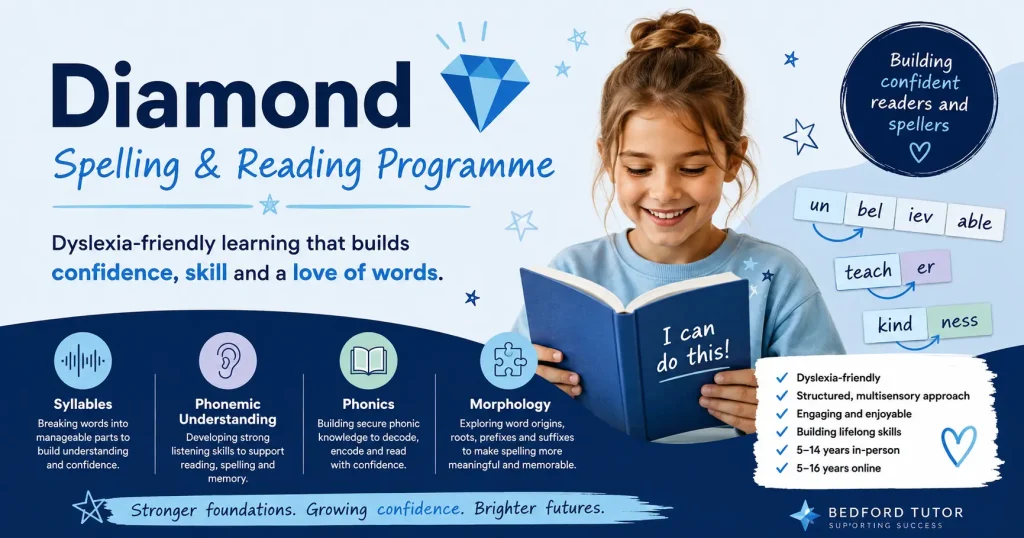
Here at Bedford Tutor, I have supported learners attending international schools across Dubai, the wider UAE and around the world for many years. From personalised English and maths tuition to support for children with ADHD, dyslexia, dyscalculia and autism, I aim to create engaging lessons that build confidence whilst working with each child’s individual strengths. Having ADHD myself has also given me a personal understanding that no two neurodivergent learners are ever the same.
To find out more, please click on the relevant link below.
Bel 😊