Bedford, UK



Every child is different.
It sounds like a simple statement, but after many years of supporting children in English and maths, it is something I find myself reminded of almost every day. Some children thrive in busy classrooms, enjoy group discussions and gain confidence from learning alongside their peers. Others, however, seem to blossom when given individual attention and a learning environment tailored specifically to their needs.
This is one of the reasons why one-to-one learning can be so transformational for some children.
As someone who has worked extensively with children with ADHD, dyslexia, dyscalculia, autism and a wide range of learning profiles, I have seen first-hand how powerful personalised support can be. I have also experienced my own educational journey as an ADHDer and know that no two learners are exactly alike. Just as no two children experience ADHD in the same way, no two children learn in exactly the same way either.
The Challenge of Learning in a Busy Environment
Classrooms are remarkable places, but they are also busy places.
Teachers work incredibly hard to meet the needs of every child in their class, yet they may be supporting twenty, thirty or even more learners at once. Within that group there will be different personalities, abilities, interests and learning needs.
For some children, particularly those with ADHD, dyslexia, dyscalculia or autism, this environment can feel overwhelming.
A child may understand a concept perfectly when it is explained slowly and clearly but struggle to process it amidst classroom noise and distractions. Another child may know the answer but lack the confidence to raise their hand. Others may simply need more time to absorb new information before moving on.
When learning moves too quickly, confidence can begin to wobble.
The Power of Being Truly Understood
One of the greatest benefits of one-to-one learning is that the focus remains entirely on the child.
There is no pressure to keep pace with classmates or worry about what other children might think. Instead, lessons can be adapted in real time to suit the learner sitting in front of you.
I often find that children begin to relax surprisingly quickly in a one-to-one setting. Questions they would never ask in school suddenly emerge. Areas of confusion become easier to identify. Most importantly, children begin to realise that struggling with something does not mean they are incapable.
Many learners simply need someone to explain things differently.
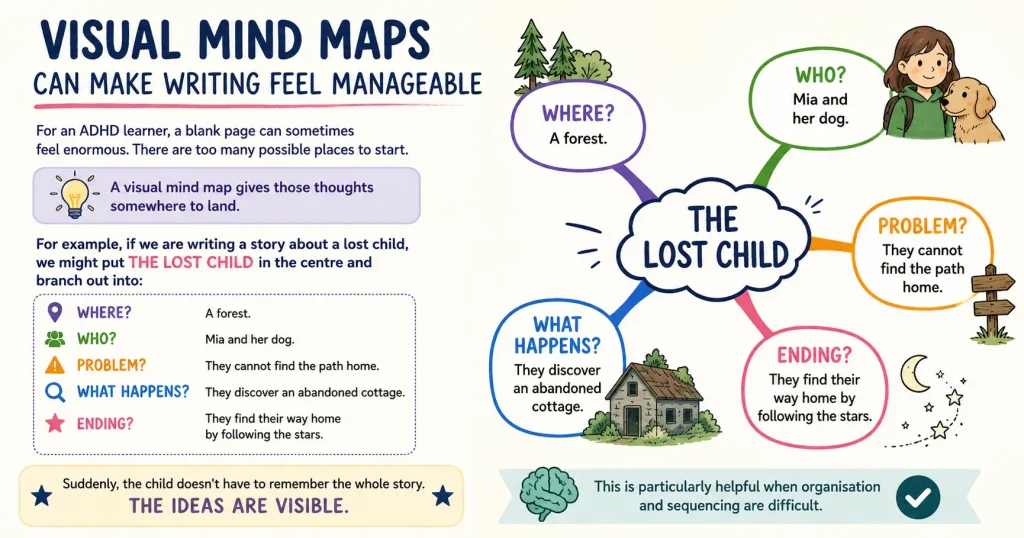
Sometimes a mathematical concept needs visual resources. Sometimes a reading activity needs to become more interactive. Sometimes a child simply needs reassurance that making mistakes is part of learning.
Confidence Often Comes Before Progress
Parents often contact me because they want support with English or maths.
Whilst academic progress is important, confidence is frequently the first thing we work on.
Over the years, I have noticed that many children arrive carrying invisible baggage. Some have spent months believing they are “bad at maths”. Others have convinced themselves they “can’t write”. Some have become so anxious about getting things wrong that they stop trying altogether.
One-to-one learning creates space to rebuild that confidence.
Without the fear of comparison, children often become more willing to take risks, attempt challenging tasks and persevere when something feels difficult. Small successes start to accumulate and, gradually, a child’s view of themselves begins to change.
In my experience, confidence and achievement often grow together.
Supporting Neurodivergent Learners
For neurodivergent learners, personalised teaching can be particularly valuable.
Many children with ADHD, dyslexia, dyscalculia and autism benefit from approaches which are tailored to their specific strengths and challenges.
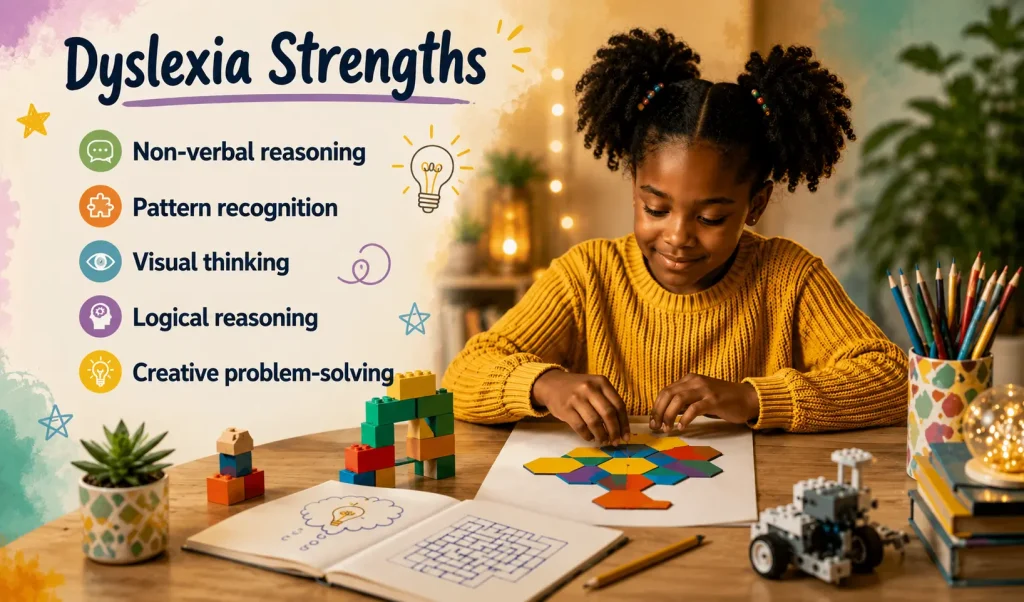
For example, an ADHD learner may benefit from movement, discussion and highly interactive activities. A dyslexic learner may thrive with multi-sensory approaches and visual supports. A child with dyscalculia may need additional time to develop number sense through practical activities.
No single teaching method works for every child.
The beauty of one-to-one learning is that it allows lessons to be adapted continuously. Rather than expecting a child to fit a particular system, the learning can be shaped around the child.
Learning at the Right Pace
One of the most powerful aspects of individual tuition is flexibility.
Some children need extra time to master a concept. Others race ahead and benefit from greater challenge. In a one-to-one environment, there is freedom to adjust the pace without worrying about holding others back or being left behind.
This can be particularly valuable during the summer holidays, when children have the opportunity to strengthen key skills, close learning gaps and build confidence before September.
For home-educated learners, personalised tuition can also provide valuable structure whilst maintaining the flexibility that makes home education so successful.
Every Child Deserves to Feel Successful
One-to-one learning is not the right solution for every child.
Some learners thrive in groups and gain enormous benefits from collaborative learning. However, for children who need additional support, greater flexibility or a confidence boost, personalised tuition can be genuinely transformational.
I have watched children go from avoiding reading to enjoying books, from fearing maths to tackling challenges independently, and from doubting themselves to believing in their own abilities.
Those moments are never really about grades or test scores.
They are about helping a child realise that they are capable.
And when a child truly believes that, remarkable things can happen.
Here at Bedford Tutor, I have supported children across the UK and around the world for many years through personalised one-to-one tuition. Whether supporting home-educated learners, helping children rebuild confidence after difficult experiences in school, or creating tailored programmes for students with ADHD, dyslexia, dyscalculia and autism, my goal is always the same: to help every child feel understood, successful and capable of achieving their potential.
To find out more, please click on the relevant link below:
Bel 😊