Bedford, UK



Preparing for iGCSE English can feel like a daunting prospect for many families, but for children with ADHD, it can sometimes feel even more overwhelming.
The good news is that ADHD does not prevent a child from succeeding in English. Over the years, I have worked with many learners who have ADHD, both in the UK and internationally, and one thing has become abundantly clear: when teaching is adapted to suit the individual child, remarkable progress is possible.
As someone who wasn’t diagnosed with ADHD until adulthood, I also understand first-hand that ADHD is incredibly varied. There is no such thing as a “typical” ADHD learner. Some children are constantly on the move, whilst others quietly disappear into their own thoughts. Some love reading but struggle to organise their ideas on paper. Others have brilliant imaginations but find it difficult to sustain attention during longer writing tasks. This diversity is something I have written about previously, and it remains one of the most important lessons I’ve learnt both personally and professionally.
When parents ask me how to prepare a child with ADHD for iGCSE English, my answer is always the same.
Start by understanding the child before worrying about the qualification.
Why iGCSE English Can Feel So Challenging
iGCSE English requires a wide range of skills.
Students need to read lengthy passages, identify subtle language techniques, infer meaning, organise their ideas logically and write extended responses under timed conditions.
For many children with ADHD, none of these tasks are impossible, but completing several of them at the same time can place a significant demand on working memory and executive functioning.
The challenge is rarely a lack of intelligence.
More often, it is managing attention, organising thoughts and maintaining concentration throughout longer tasks.
Fortunately, these are skills that can be developed with the right support.
Every ADHD Learner Is Different
One of the biggest misconceptions surrounding ADHD is that every child experiences it in the same way.
Nothing could be further from the truth.
Some learners appear highly energetic and impulsive. Others are thoughtful, quiet and easily distracted. Some can concentrate intensely on topics they enjoy yet struggle to begin tasks they find less engaging.
Looking back at my own education, I now recognise many of these differences in myself. Although I achieved well academically, my ADHD presented in ways that often went unnoticed because I loved learning and worked incredibly hard to mask many of my difficulties. That experience has shaped the way I teach today, reminding me that appearances rarely tell the whole story.
This understanding allows me to tailor lessons around the child sitting in front of me rather than relying on assumptions about ADHD.
A Student in the UAE: ADHD, Dyslexia and Growing Confidence
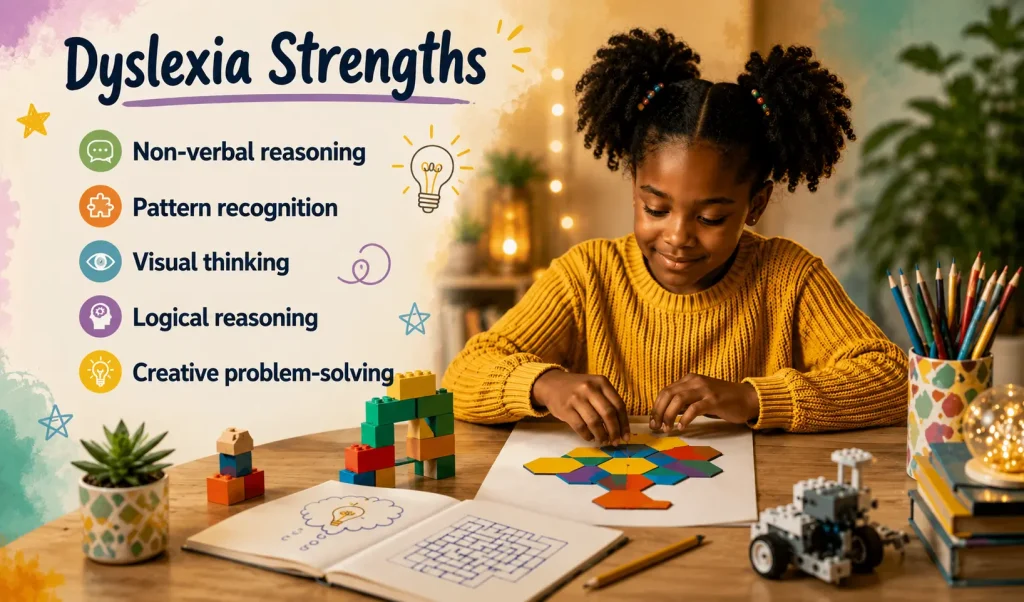
One student I supported in the UAE was studying iGCSE English whilst managing both ADHD and dyslexia.
Initially, English felt exhausting.
Long reading passages seemed overwhelming and organising ideas into extended written responses often caused frustration. Reading, processing information and planning an answer all at once placed considerable demands on working memory.
Rather than diving straight into full examination questions, we slowed everything down.
We broke texts into manageable sections, discussed ideas verbally before writing and used colour-coding to identify key language features and structural techniques. Together, we created simple plans before expanding them into paragraphs, allowing each stage of the writing process to feel achievable rather than overwhelming.
Gradually, confidence replaced anxiety.
Instead of worrying about completing an entire examination paper perfectly, each lesson became an opportunity to master one small skill at a time. Those small successes gradually built into something much bigger, and English became a subject that felt manageable rather than intimidating.

Learning Across the World: Supporting a Student in New Zealand
Another memorable learner lived in New Zealand.
Although separated by thousands of miles, many of the challenges were remarkably familiar.
This student had wonderful ideas and contributed brilliantly during discussions, yet turning those thoughts into structured written responses often felt much harder.
Like many learners with ADHD, attention fluctuated depending on the activity. When lessons became interactive, conversation-based and engaging, concentration improved dramatically.
We spent time discussing texts before writing, explored vocabulary through conversation and developed planning strategies that reduced the pressure of staring at a blank page.
Slowly, confidence grew.
It reinforced something I see repeatedly in my work with international learners: geography may change, but the importance of understanding how an ADHD brain learns remains exactly the same.
The Best Preparation Starts Long Before Year 10
One misconception I often hear is that preparation for iGCSE English begins shortly before the examinations.
In reality, many of the skills are developed years earlier.
I currently work with several children in late primary school who have ADHD and are already building the foundations that will eventually support GCSE success.
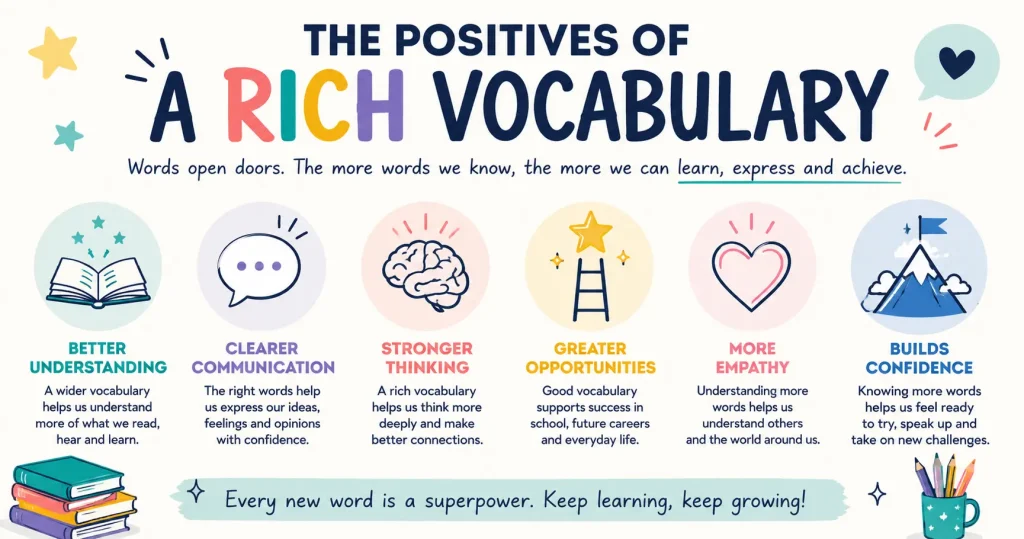
Reading regularly, discussing books, expanding vocabulary, developing inference skills and gradually increasing writing stamina all contribute to future success.
Perhaps most importantly, these younger learners are developing confidence.
Confidence is often overlooked in education, yet it has a profound impact on learning. Children who believe they can succeed are far more willing to attempt challenging tasks, ask questions and persevere when work becomes difficult.
By introducing these skills gradually throughout primary school, the transition into secondary education often feels far less daunting.
Practical Ways to Support Children with ADHD
Parents frequently ask what they can do at home.
In my experience, small changes often have the greatest impact.
Break longer tasks into smaller, manageable sections rather than expecting a child to complete everything at once.
Encourage discussion before writing so ideas become organised verbally before they reach the page.
Use visual planning methods such as mind maps or colour coding.
Allow regular movement breaks during study sessions.
Celebrate progress, effort and resilience just as much as examination results.
Most importantly, remember that learning is not a race.
Every child develops at their own pace.
Success Looks Different for Every Child
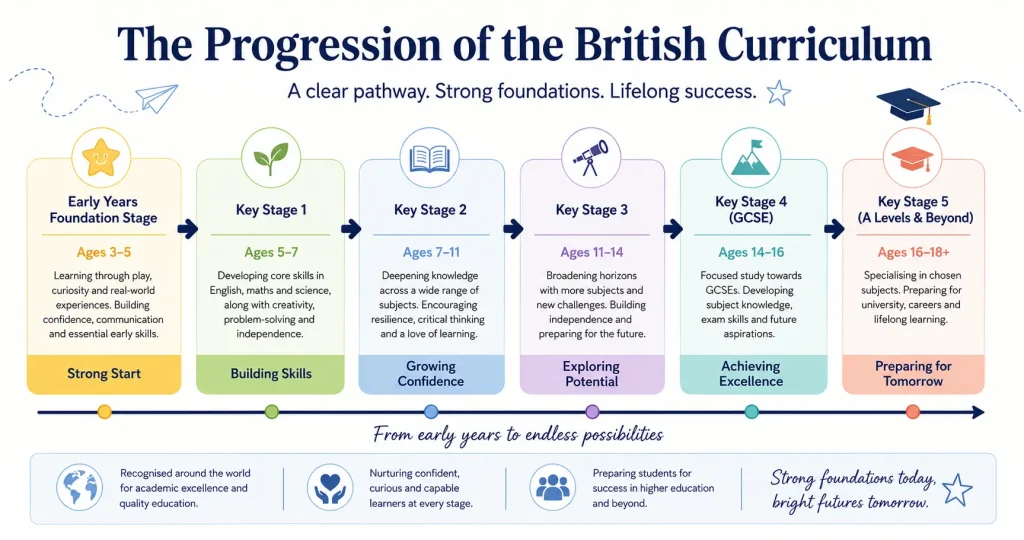
Over the years, I have worked with learners following the British Curriculum in countries including the UAE, Saudi Arabia and New Zealand, and one thing remains constant wherever children live.
Success begins with understanding.
Children with ADHD rarely need lower expectations.
Instead, they benefit from flexible teaching, patient encouragement and strategies that work alongside the way their brains naturally learn.
Whether a learner is taking their first steps towards analytical writing in late primary school or preparing for iGCSE English examinations overseas, the goal remains exactly the same: helping them become confident, capable and independent learners.
When children feel understood rather than judged, remarkable things can happen.
Here at Bedford Tutor, we have supported children with ADHD in the UK and around the world for many years, including learners preparing for iGCSE English and children developing the early literacy skills that form the foundations for future success. Alongside supporting students with dyslexia, dyscalculia and autism, we have developed a flexible, personalised approach that helps neurodivergent learners build confidence whilst developing the reading, writing and analytical skills they need to thrive.
To find out more, please click on the relevant link below:
Bel 😊