Bedford, UK



Helping SEND Learners Thrive in International Schools
Moving to a new country is an exciting adventure for many families. Children have opportunities to experience different cultures, make friends from around the world and learn in diverse educational environments.
Alongside these opportunities, however, international schooling can present unique challenges, particularly for children with Special Educational Needs and Disabilities (SEND).
Over the years, I have worked with many families living overseas, supporting children attending international schools in countries including the UAE, Saudi Arabia, Singapore, Malaysia and Thailand. Although every school is different, one thing has become very clear to me: SEND learners thrive when they feel understood.
As someone with ADHD myself, I also know how important that understanding can be. No two neurodivergent children are exactly alike. Two children with the same diagnosis may learn in completely different ways, have different strengths and need entirely different types of support.
That is something I wish more people understood.
Every Child’s Journey Is Different
When parents first contact me, they often begin by explaining their child’s diagnosis.
“My daughter has dyslexia.”
“My son has ADHD.”
“Our child is autistic.”
These labels can be helpful because they provide a starting point for understanding a learner’s needs. However, they never tell the whole story.
Some children with ADHD are constantly on the move, whilst others appear quiet and dreamy. Some autistic learners love routine and predictability, whilst others enjoy variety and creativity. Children with dyslexia may struggle with reading but excel in problem-solving, storytelling or art.
Rather than asking, “What diagnosis does this child have?” I prefer to ask, “How does this particular child learn best?”
That question changes everything.
International Schools Offer Wonderful Opportunities
One of the things I particularly enjoy about working with international school students is the incredible diversity they experience every day.
Many children grow up alongside classmates from dozens of different countries, learning about languages, traditions and cultures that broaden their understanding of the world.
International schools are often wonderfully inclusive environments, and many provide excellent SEND provision. However, children can still experience challenges.
Some learners are adjusting to a new language.
Others have moved countries several times.
Some are adapting to an unfamiliar curriculum or assessment system whilst also trying to make new friends.
For SEND learners, these changes can sometimes feel overwhelming.
Building Confidence Comes First
Parents often ask me whether we should focus on catching up academically.
Whilst developing English and maths skills is important, confidence almost always comes first.
A child who believes they are capable is far more willing to attempt challenging tasks, ask questions and persevere when things become difficult.
I often think back to my own experiences at school. Looking back now, I can see that the teachers who made the greatest difference weren’t necessarily the ones with the fanciest resources or longest explanations.
They were the teachers who made me feel capable.
Sometimes a few encouraging words can stay with a child for years.
Personalised Learning Makes a Huge Difference
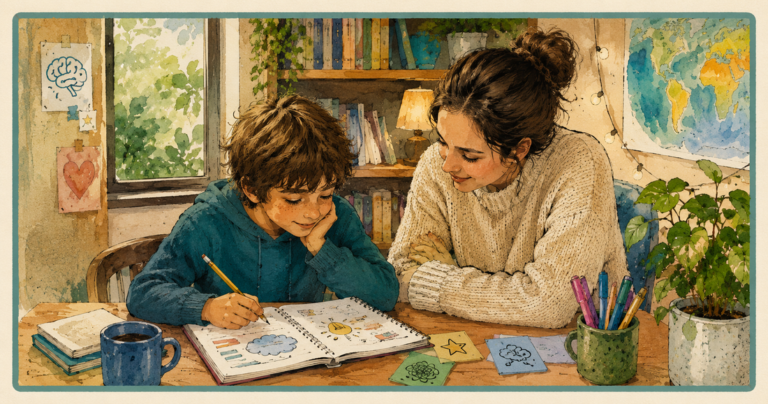
One of the greatest advantages of one-to-one tuition is flexibility.
Rather than expecting a child to fit a particular teaching method, lessons can be adapted around the learner.
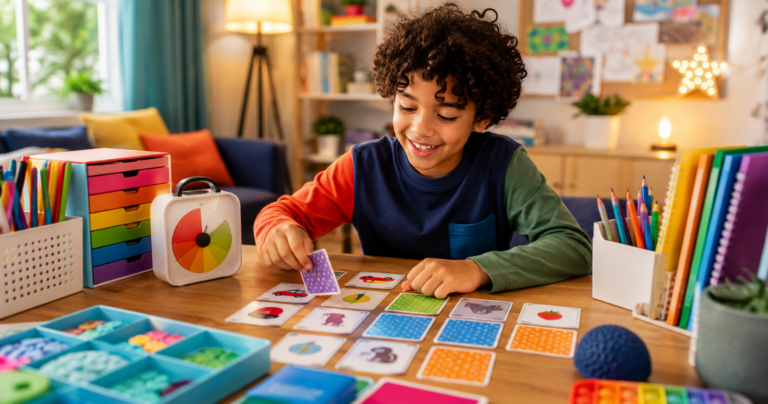
For one student, this might mean using visual resources.
For another, movement breaks and interactive games help maintain concentration.
Some learners benefit from breaking tasks into smaller chunks, whilst others need extra time to process new information before responding.
When children feel that lessons have been designed with them in mind, learning often becomes far more enjoyable.
Working Together Creates Success
One thing I particularly value when supporting international families is communication.
Parents know their child better than anyone else.
Teachers understand the classroom environment.
Tutors can provide personalised strategies and additional support.
When everyone shares ideas and works together, children receive consistent encouragement wherever they are learning.
I’ve often seen remarkable progress when families, schools and tutors become a team rather than working separately.
Looking Beyond the Diagnosis
Perhaps the biggest lesson my own ADHD diagnosis taught me is that labels should never limit expectations.
Children with SEND are not defined by the challenges they experience.
They are artists, scientists, mathematicians, storytellers, inventors, musicians and future innovators.
Sometimes they simply need teaching that recognises their strengths as well as their difficulties.
Whether a child attends an international school in Dubai, Singapore, Kuala Lumpur, Bangkok or Riyadh, they deserve to feel understood, respected and confident in their own abilities.
When we focus on understanding the individual rather than the diagnosis, remarkable things can happen.
Here at Bedford Tutor, I have supported SEND learners attending international schools across the UK and around the world for many years. From personalised English and maths tuition to specialist support for children with ADHD, dyslexia, dyscalculia and autism, I create engaging lessons that build confidence whilst adapting to each child’s unique way of learning.
To find out more, please click on the relevant link below.
Bel 😊